




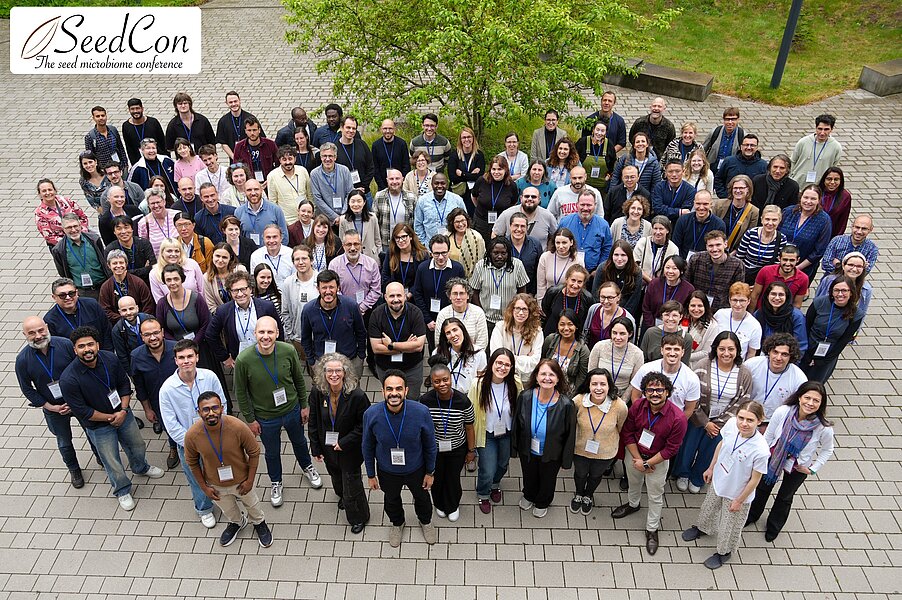
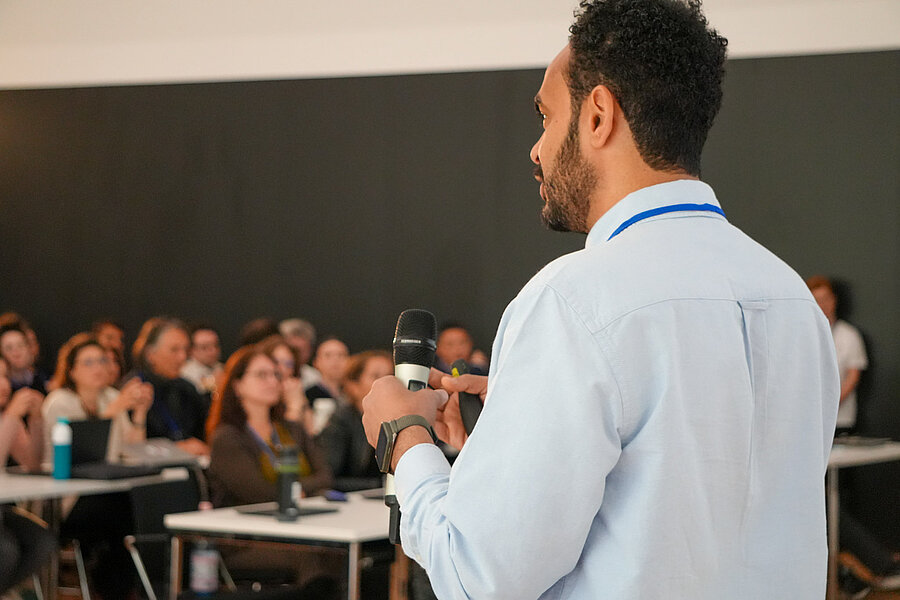
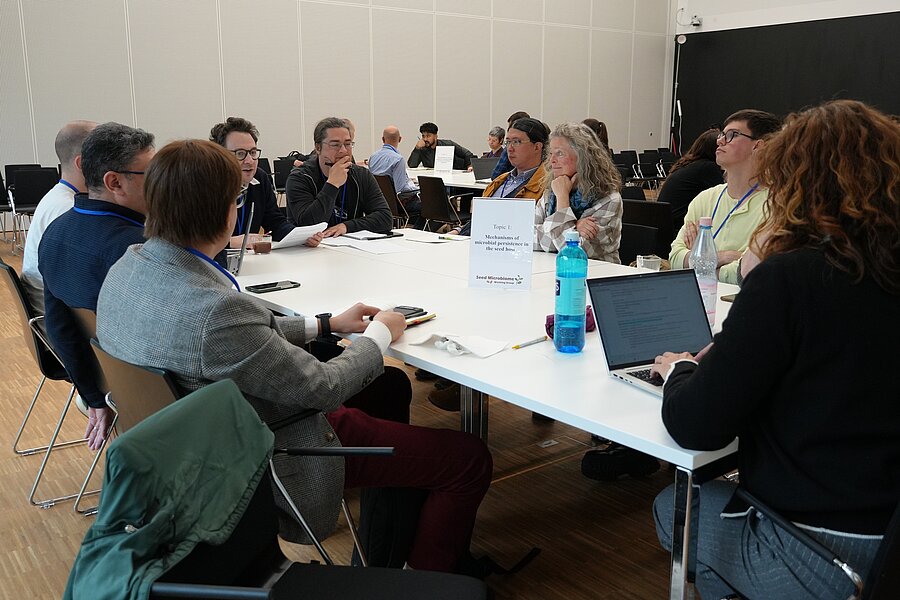
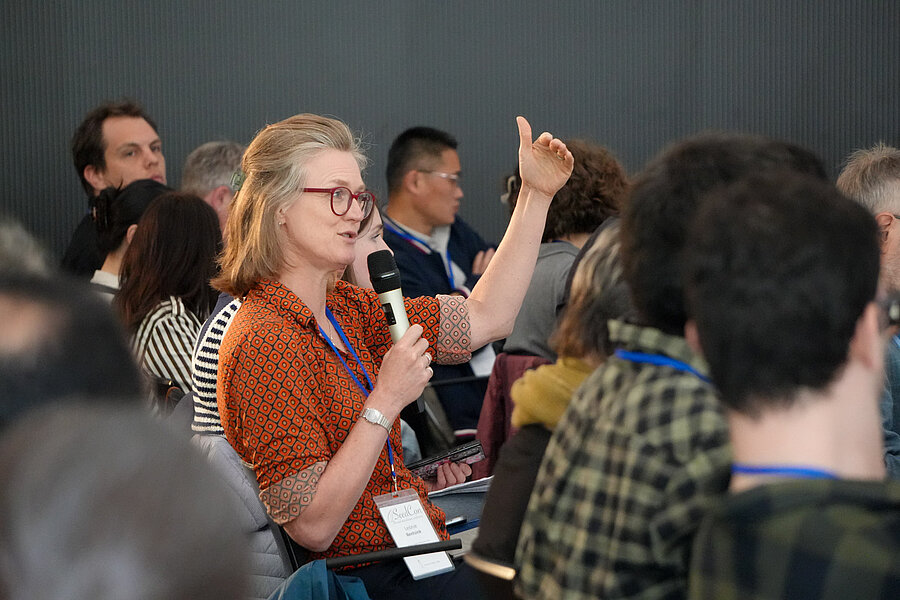
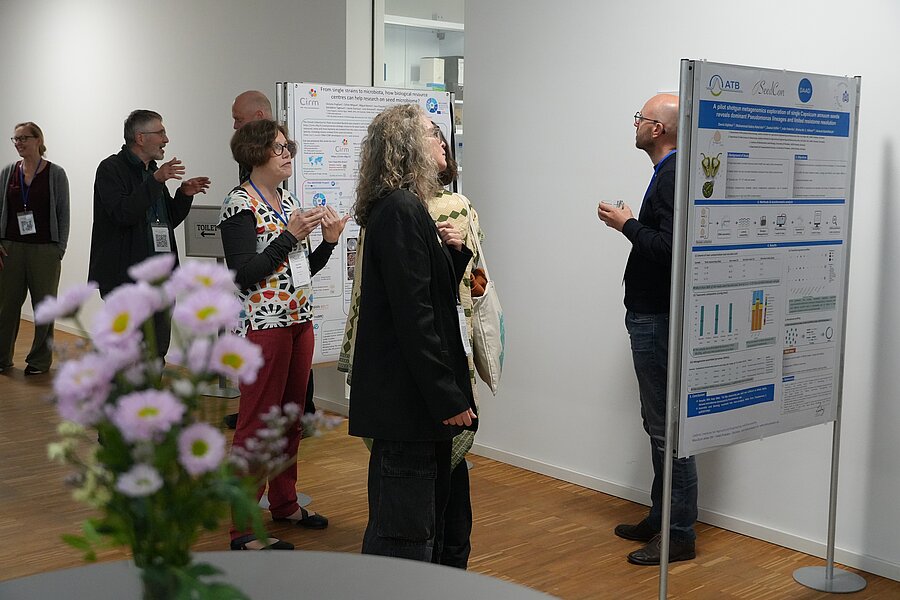
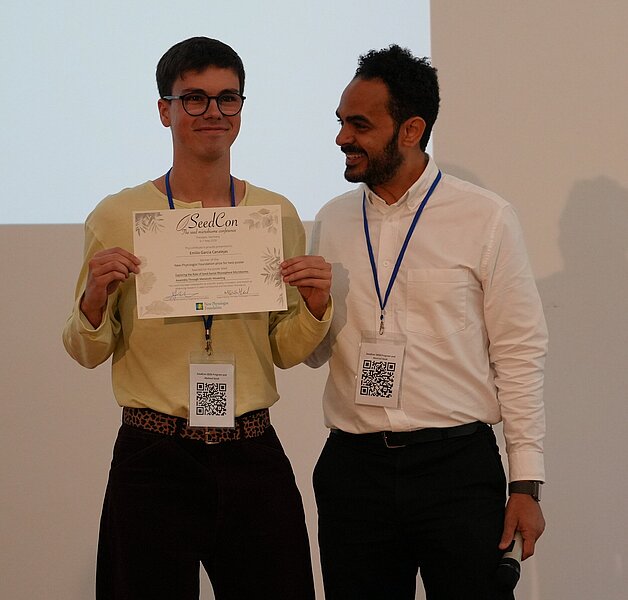
How much of the future is already contained within seeds? This question was at the heart of SeedCon 2026, the world’s first international conference dedicated specifically to the seed microbiome and microbial inheritance in plants. From 5 to 7 May, more than 140 researchers from 21 countries gathered at the Leibniz Institute for Agricultural Engineering and Bioeconomy in Potsdam to discuss a rapidly emerging field that is beginning to reshape our understanding of plants, breeding, and sustainable agriculture.
“Understanding the seed microbiome opens up new possibilities for plant breeding and microbiome-based plant management,” said Dr Ahmed Abdelfattah, initiator of SeedCon and researcher at ATB. “We are only beginning to understand how these microbial communities are transmitted across generations and how they influence plant performance.”
Seeds connect generations
Seeds are more than passive carriers of plant genetics. They undergo dormancy, connect one plant generation to the next, and harbour microbial communities alongside the embryo and nutrient reserves. These microorganisms are embedded in the plant life cycle and may influence key processes from germination and growth to flowering, fruit formation, and decomposition in soil.
Compared with the root microbiome, the seed microbiome remains strongly underexplored. While around 30,000 microbiome datasets are available for plant roots worldwide, only about 3,000 are currently available for seeds. This gap highlights the need for further research into fundamental questions: How stable is the seed microbiome? Which microorganisms are transmitted between generations? What functions do they perform? And how can this knowledge be responsibly used?
An agricultural lever with global relevance
Almost every agricultural crop begins with a seed. This makes the seed microbiome a promising entry point for new approaches in agriculture. If researchers can better understand and influence seed-associated microbial communities, it may become possible to support plants in coping with drought, excessive rainfall, disease pressure, and other climate-related stresses.
In the long term, such knowledge could contribute to more resilient crops and reduce dependence on fertilisers and pesticides. The strong international participation at SeedCon, together with support from the DFG and interest from industry partners and sponsors, underlines the relevance of the topic beyond basic research.
A milestone for an emerging research field
“SeedCon has shown that there is enormous international interest and a clear need for exchange in this field,” said Dr Abdelfattah at the close of the conference. “With SeedCon, ATB has helped create an international platform for a young but rapidly growing scientific community.”
Start of an international conference series
SeedCon 2026 marks the beginning of an international conference series on the seed microbiome and microbial inheritance. The next edition is planned to take place in two years at a different venue, continuing the dialogue launched in Potsdam.
The successful debut of SeedCon makes one thing clear: seeds are not only the starting point of plant life, but also a key frontier for understanding and shaping the future of agriculture.
Contact
Dr Ahmed Abdelfattah
Head of the Microbiome Management Working Group
Telephon: +49 331 5699-123
Email: AAbdelfattah@atb-potsdam.de
Jessica Lietze
Public Relations
Telephon: +49 331 5699-819 / 820
Email: presse@atb-potsdam.de