





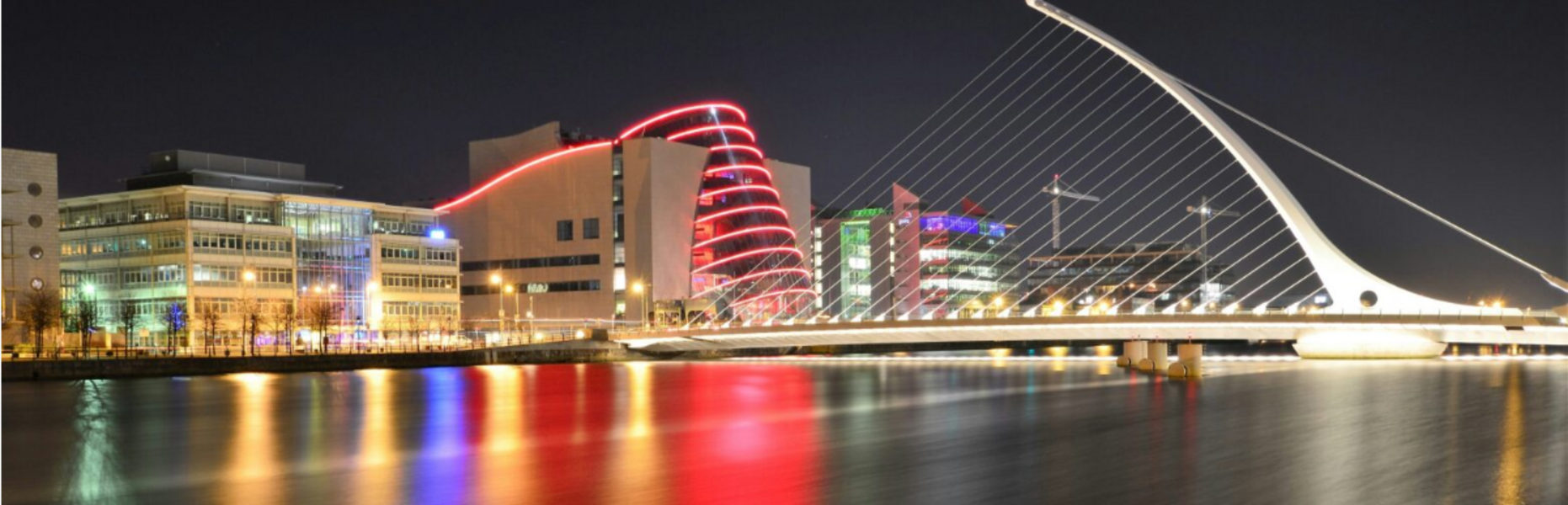
How can we transform low-yield soils into valuable sources of bio-based raw materials without compromising food production and ecosystems? At the Global Bioeconomy Summit 2026 (GBS 2026) in Dublin, the EU project MarginUp! – coordinated by ATB – presented its key findings at the end of its four-year run. International experts evaluated the project’s progress and discussed practical application pathways designed to replace fossil resources and strengthen rural regions both economically and ecologically.
Agricultural systems worldwide are facing massive pressure on land use: on the one hand, it is essential to ensure food security for the growing global population; on the other, the shift away from fossil raw materials demands ever-increasing amounts of plant-based biomass. However, valuable arable land must not be overused or diverted from its intended purpose. So-called marginal lands – that is, soils weakened by drought, salinisation or erosion – often lie fallow and continue to degrade gradually. Revitalising these areas and reconciling biodiversity with economic use requires tailor-made, site-specific cultivation concepts.
The satellite event ‘Unlocking Marginal Lands for the Global Bioeconomy’, held on 19 October 2026, focused precisely on these potentials. Before an international audience of experts, the researchers presented a comprehensive summary of the work carried out in five European regions as well as partner sites in Africa and South America. Robust non-food crops were presented which thrive even under extreme environmental conditions and stabilise local ecosystems. The use-case teams demonstrated how this biomass can be used to produce high-quality bio-based materials and chemicals that can be effectively deployed as alternatives to oil and gas. In interactive working groups, participants discussed regulatory hurdles, effective market incentives and strategies for transferring successful concepts to other climatic regions. Finally, clear guidelines were formulated for policymakers and industry to ensure sustainable investment in marginal sites.
The experts agreed that value chains on marginal land should start locally, be anchored in industry and involve farmers from the outset. The participants also called for a common definition of marginal land and better coordinated policy measures. Dr Philipp Grundmann, project coordinator and head of the working group Innovations in Sociotechnical Systems at ATB, summarises: “Society is ready for bio-based products. Now these must become a political priority.”
Grundmann’s team leads a consortium of 29 international partner institutions from the fields of science, consultancy and industry. As coordinator of MarginUp!, ATB contributes its long-standing expertise in systemic bioeconomic research. The researchers are combining modern agricultural technology, sustainable cultivation methods and holistic technology assessments to analyse ecological and economic material flows within a circular bioeconomy.
Background
Project: MarginUp! – Raising the biodiversity and the biobased industrial feedstock capacity of marginal lands
Coordination: Dr Philipp Grundmann, Leibniz Institute for Agricultural Engineering and Bioeconomy (ATB)
Funding body: European Union (Horizon Europe research and innovation programme, grant number 101082089)
Contact
PD Dr. habil. Philipp Grundmann
Project Coordinator for MarginUp! and
Head of the Research Group Innovations in Sociotechnical Systems
Telephone: +49 (0) 331 5699 229
Email: pgrundmann@atb-potsdam.de